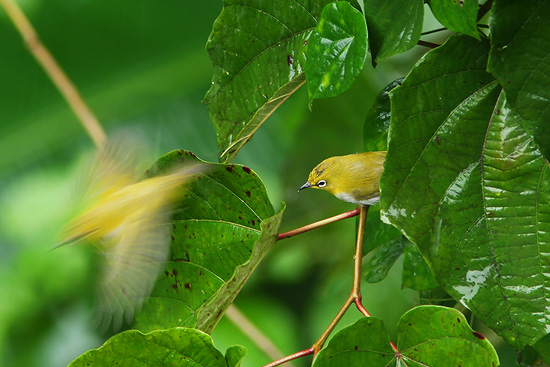
Just a few days before I left Thailand, I discovered my new favourite birding spot only a few kilometres away from my house. It's a flooded area on the Mae Taeng River side filled with tall local reedbeds scattered with short grass. I found it interesting since when I first met the flock of Chestnut-capped Babbler and I followed it into the reeds. There were few tracks made by water buffaloes into the reeds. I followed through the tracks and discovered so many interesting species, especially the Little Brown Jobs.
 A nice scenery in the morning after the rain

A flock of Red Collared-Dove (Streptopelia tranquebarica)
 White-breasted Waterhen with food for its chicks


Immature male Yellow-bellied Prinia (Prinia flaviventris)


Yellow-eyed Babbler (Chrysomma sinense)
The highlights of the place include a single Rusty-rumped Warbler (Locustella certhiola) I luckily came across while I was chasing the Chestnut-capped Babblers, Baikal Bush-Warblers (Bradypterus davidi), Thick-billed Warblers (Acrocephalus aedon), Red Avadavats (Amandava amandava) and surely Chestnut-capped Babblers (Timalia pileata). I'll be posting photos of the babbler later in another post cos there's just too many photos of them.

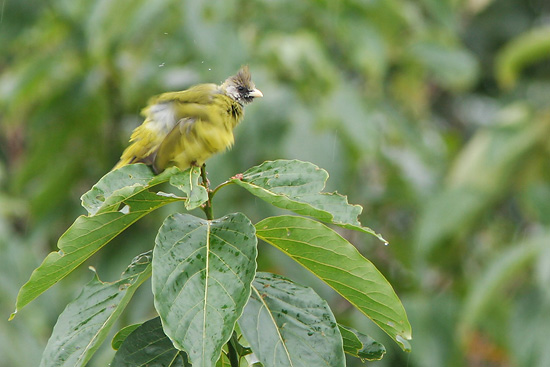
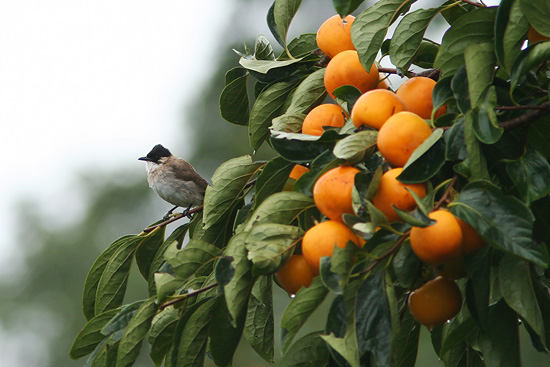
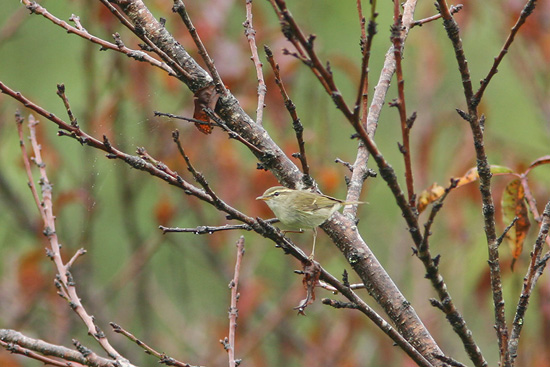
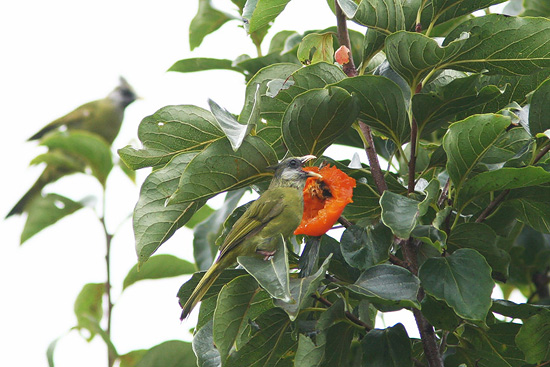
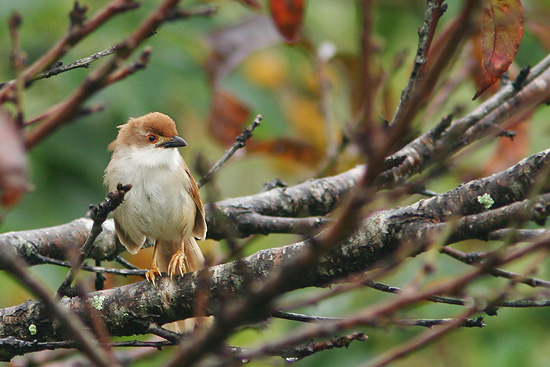 The secretive Yellow-eyed Babbler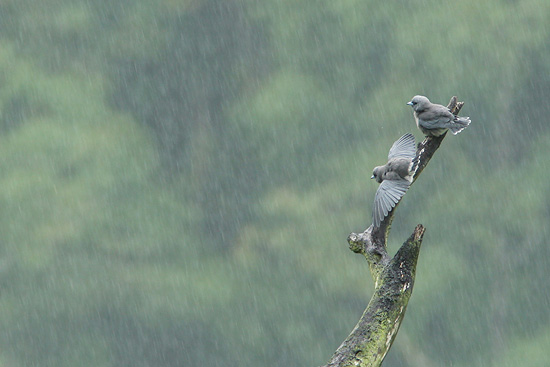
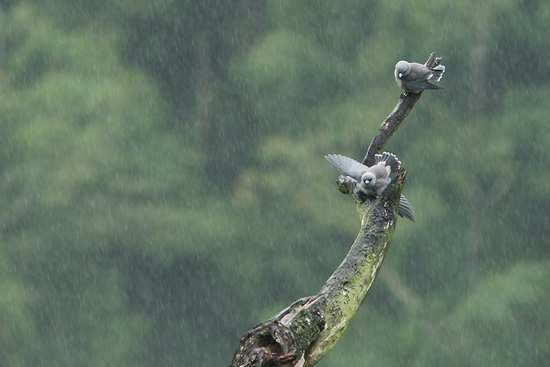
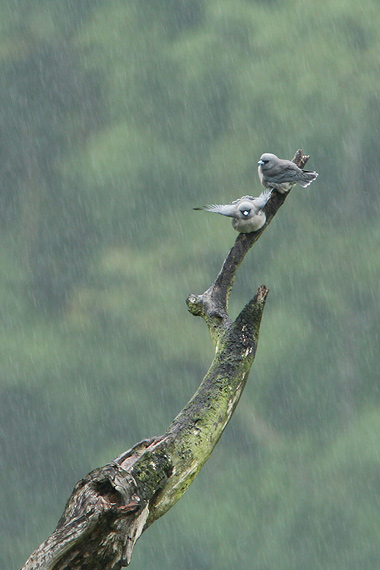
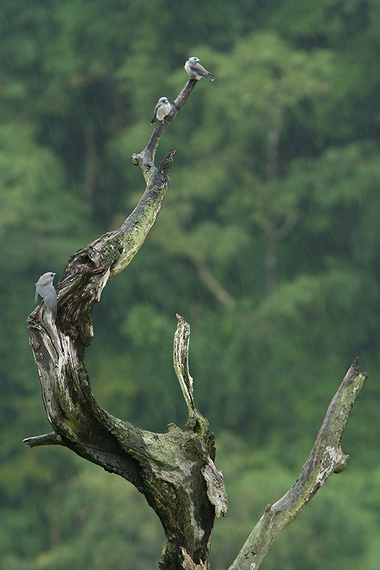
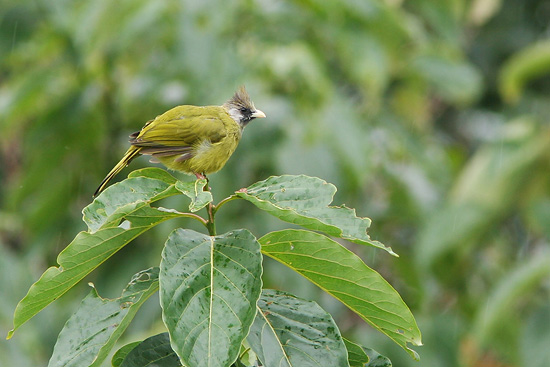
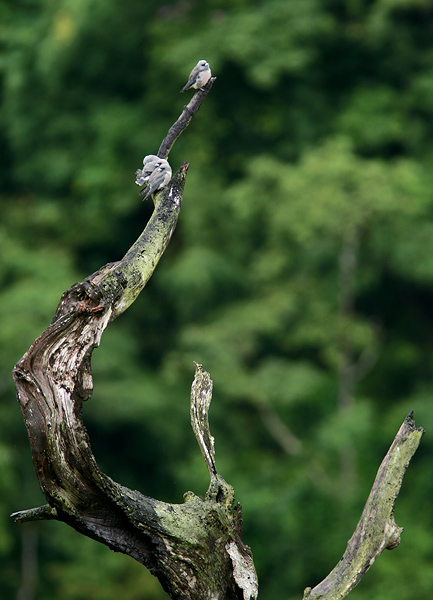 Just being too lazy to write about birds from Doi Angkang trip two weeks ago. As I have said before, it rained most of the time and we couldn't go out birding so much, but we surprisingly got several interesting species within a very short period of time. We arrived Doi Angkang quite late in the afternoon. We stopped at the first viewpoint and got some swallows including Striated Swallow (Hirundo striolata) and the winter visitor Red-rumped Swallow (H. daurica) and Barn Swallow (H. rustica). Few Ashy Wood-Swallows (Artamus fuscus) were also perching on a very artistically beautiful dead tree. Near the car park we saw two Chestnut-capped Babblers (Timalia pileata) moving around in dense grass. It is quite common here at Doi Angkang, though relatively uncommon elsewhere. One of the bird was carrying a long dry grass, which supposed to be used for nest-building. Along the road we found one juvenile Crested Goshawk (Accipiter trivirgatus) perching on a dead tree before flying out as we tried to approach it. A noisy group of White-browed Scimitar-Babbler (Pomatorhinus schisticeps) mixed with White-browed Laughingthrush (Garrulax sannio) was also seen in a plum garden along the road too.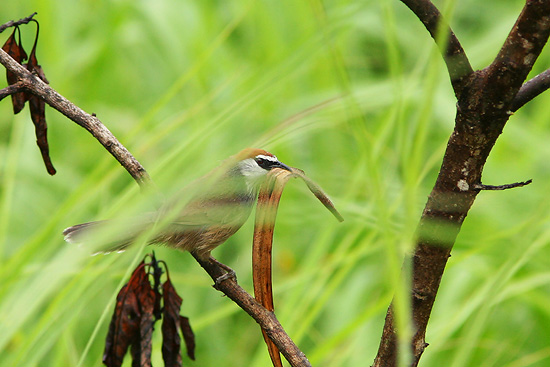
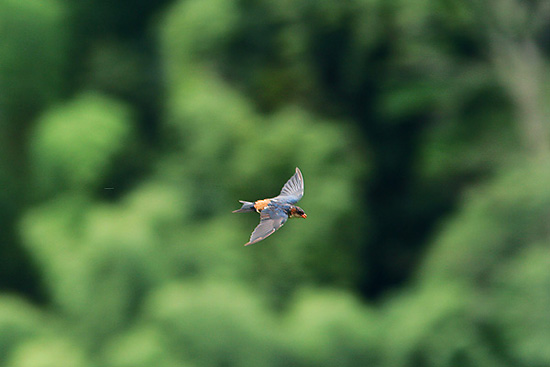
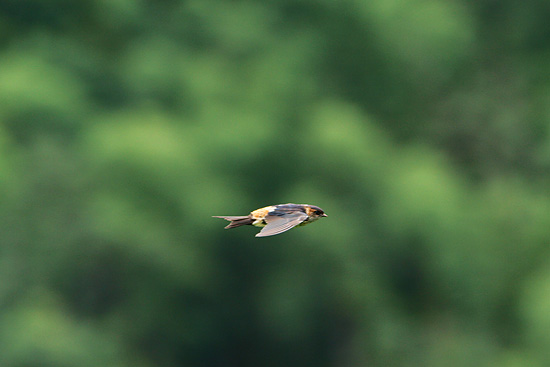
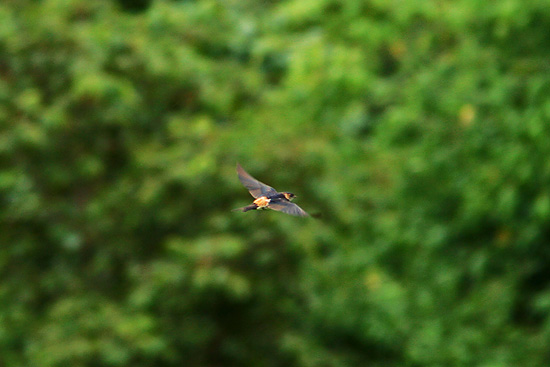
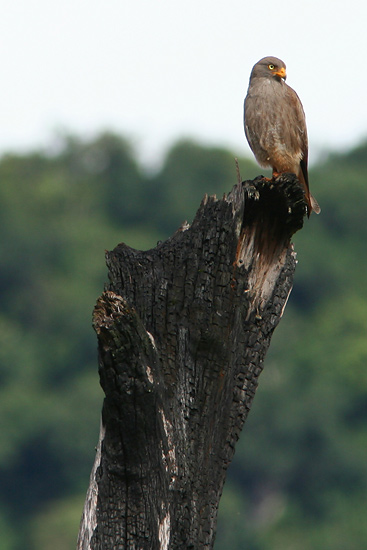
 Rufous-winged Buzzard, a raptor of open deciduous forest.