A post compiling shots from an ordinary day at Cho Lae. Lots of migrants have already arrived, especially waders. Large flocks of
Wood Sandpipers (
Tringa glareola) can be found all over the place. Lots of snipes have already arrived as well, but they are just too shy to be seen in the open. Most of them are Pintail and Common Snipes. Several
Stonechats are here as well. I'm getting sick by the split of this bird. It used to be
just Stonechat (
S. torquata), then Siberian Stonechat (
S. maurus), and now the eastern race that winters in Thailand is called the
Stejneger's Stonechat (
S. stejnegeri). From reading through the
discussions in Surfbird email archive, it seems that these newly split taxa are basically impossible to be distinguished in the field since they are all split purely on genetic evidences. In the future, I wonder if these new species will be grouped back into a single species like before or not....

The now so called
Stejneger's Stonechat (
S. stejnegeri)


A flock of
Baya Weavers (
Ploceus philippinus) was still occupying the same area around its nesting colony though all the chicks have already fledged and joined the flock their parents. Most male birds have already shed their bright golden head feathers and turning into a drab female-like non-breeding plumage.

A male
Purple Sunbird (
Cinnyris asiaticus) in eclipse plumage
 Wood Sandpipers
 are abundant but very difficult to get close.


A fluffing adult
Little Ringed Plover (
Charadrius dubius); the bird is mainly a winter visitor to Thailand and this one is moulting into a non-breeding plumage.

A male
Pied Bushchat (
Saxicola caprata)


A lone non-breeding
Brown Shrike (
Lanius cristatus) was also found in the area. It's the subspecies
L.c.cristatus, which is a different one from the more reddish
superciliosus of Japan. I watched it fed on a very interesting prey, the colourful
Long-tailed Lizard (
Takydromus sexlineatus ocellatus) which it caught from a small dry field.

This female
Pied Bushchat was much more obliging than the male above.

I was lucky to see this shy
Slaty-breasted Rail (
Gallirallus striatus) coming out to dry its wings after the rain in the late afternoon. It's bird that is not often seen in the open like most of the rail species.
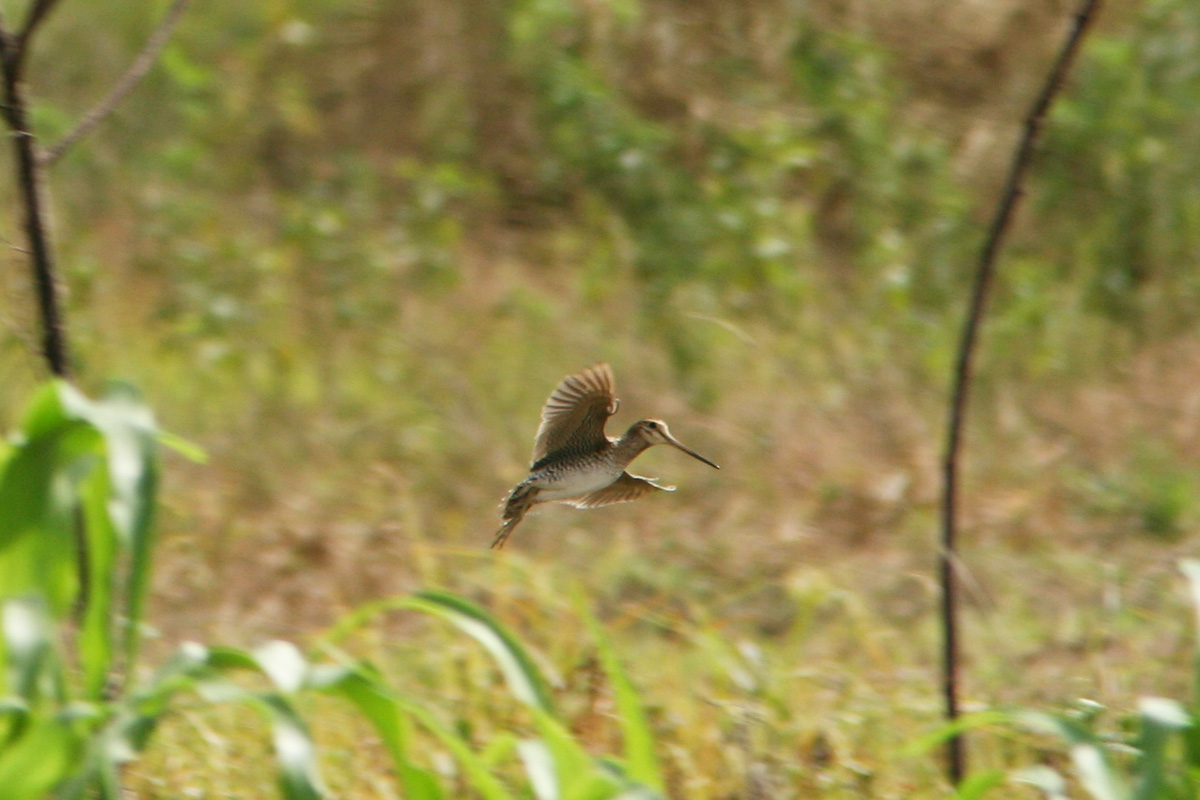
A landing
Pintail Snipe (
Gallinago stenura); you can see the blurry
'pin' outer tail feathers


A new species to my photo library to end this entry, the Asian Koel (Eudynamys scolopaceus), a very common but super shy member of cuckoo family. This one is an immature male. Adult male lack buffish spots on wing coverts, while female has mottled brown plumage. The right image shows the bird with a Black-collared Starling.


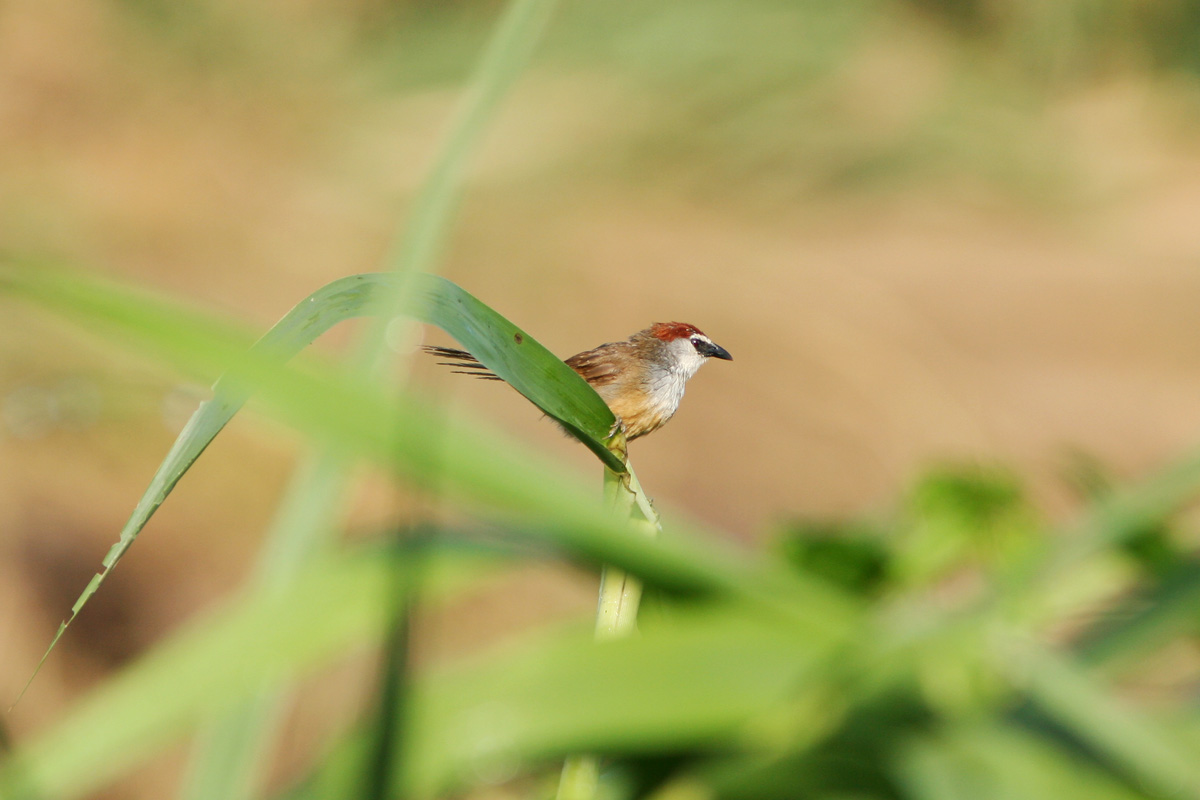


 Little Egret (Egretta garzetta)