This is going to be the last post for my trip to Doi Inthanon during 20-22 August. Although I've got quite many photos of the small birds in Ang Ka trail during the first evening, I got a lot more on the second day when the light was a bit better. When we got there, there was already a couple of bird photographers shooting these birds before us. They put out a lot of mealworms for the birds, but both walked out shortly after we arrived, so we took the place and photographed the birds which still came out to pick up leftover worms. The 2 Snowy-browed Flycatchers were the tamest of all. Both of them didn't mind us getting closer than just a foot away from them. We even enjoyed taking photos with the birds, but all photos were in my friend's camera. These birds are really dangerously tame!

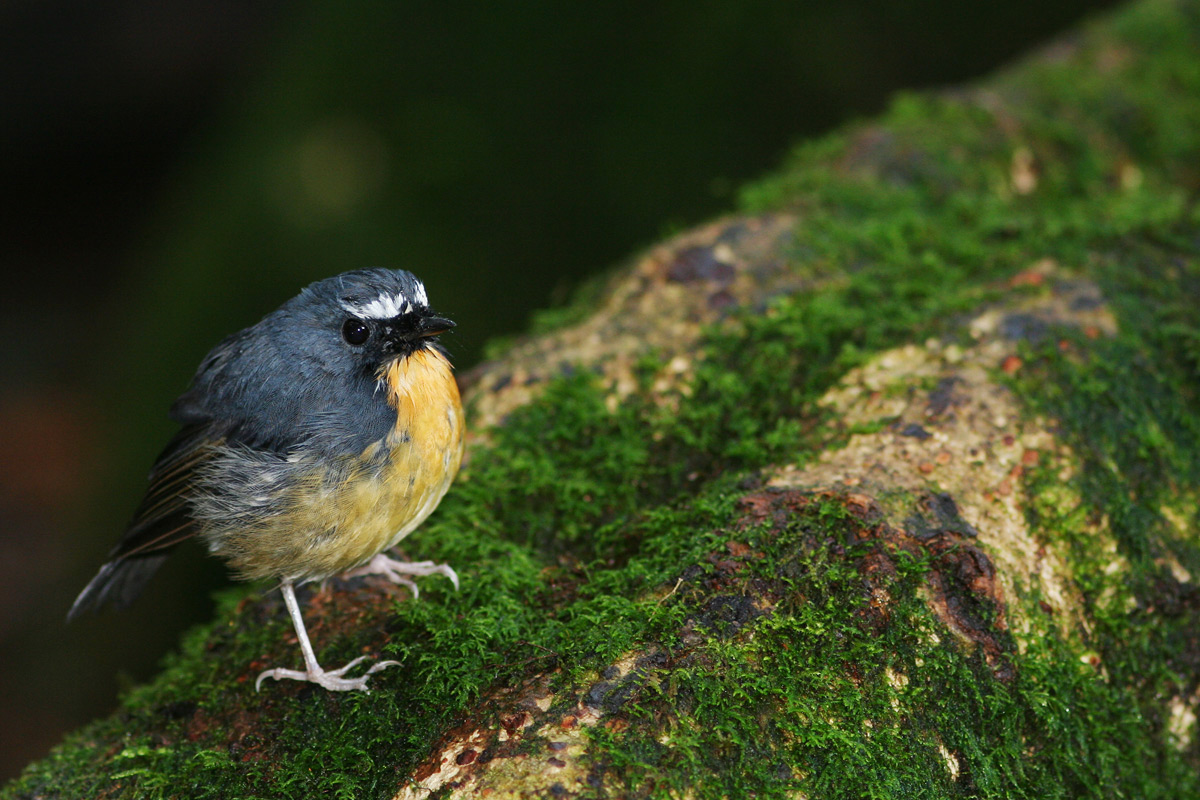


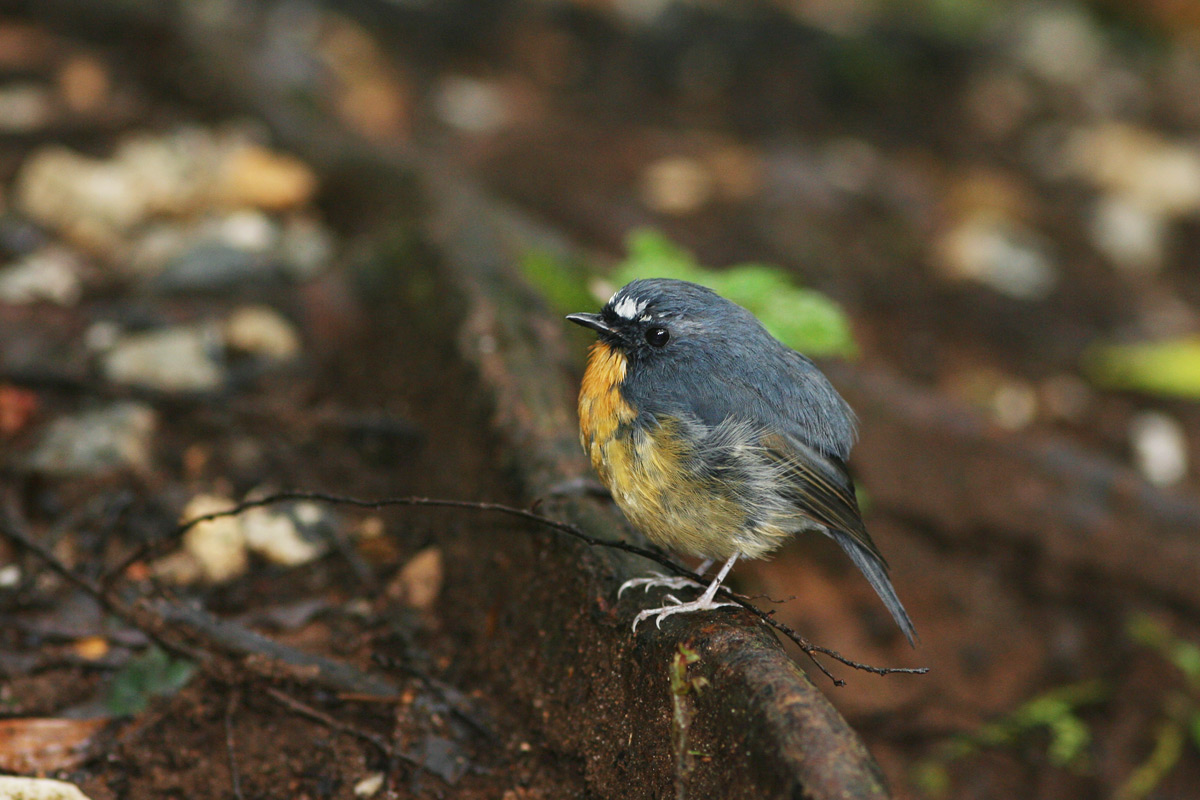
As Phil made a comment about photographing the birds in this dense habitat must be something pretty difficult, and it is. Although these birds can be very tame when they come out for food we put out for, when they fly back into the forest, it's not an easy job to spot one. There was also not much light since the forest was very dark and these shots were taken at no more than 1/25 sec. The Snowy-browed Flycatchers were a bit easier to photograph since they often sat still for a quite a while, while the White-browed Shortwings never paused themselves for more than just 2 or 3 seconds.


Female Snowy-browed Flycatcher (Ficedula hyperythra)


And her colourful husband
 Male White-browed Shortwing (Brachypteryx montana)
 And the female


Female Snowy-browed Flycatcher (Ficedula hyperythra)


And her colourful husband
Male White-browed Shortwing (Brachypteryx montana)And the femaleAmong the 5 birds that came out to pick up mealworms (2 Snowy-browed Flycatchers, 1 male and 2 female White-browed Shortwings), the male Shortwing was the hardest target for me to photograph. Its all dark blackish-blue plumage makes it very difficult for the camera to focus. Although having the white eyebrows, it's still difficult to focus as the bird moved around all the time. So I ended up having very few photos of it.

 September at Doi Angkang is my favorite! The morning sky is ultramarine, yet the thick fog at noon helps cool down the heat from sunlight. Rain falls in the evening and at night, brings fresh cool atmosphere to the early morning forests. Birds might not be as plenty as in winter, but they seem to be out continuously all day, and surely, seeing new migrants excites me every time I come here.


 A male Stripe-breasted Woodpecker on a fruiting Castanopsis tree.


 An individual with pale yellowish iris

 A Grey Treepie singing on a castanopsis tree